Arraiolos: How the Alentejo's Medieval Carpet Town Became Portugal's Most Artisanally Refined Luxury Address
March 2026 · 10 min read
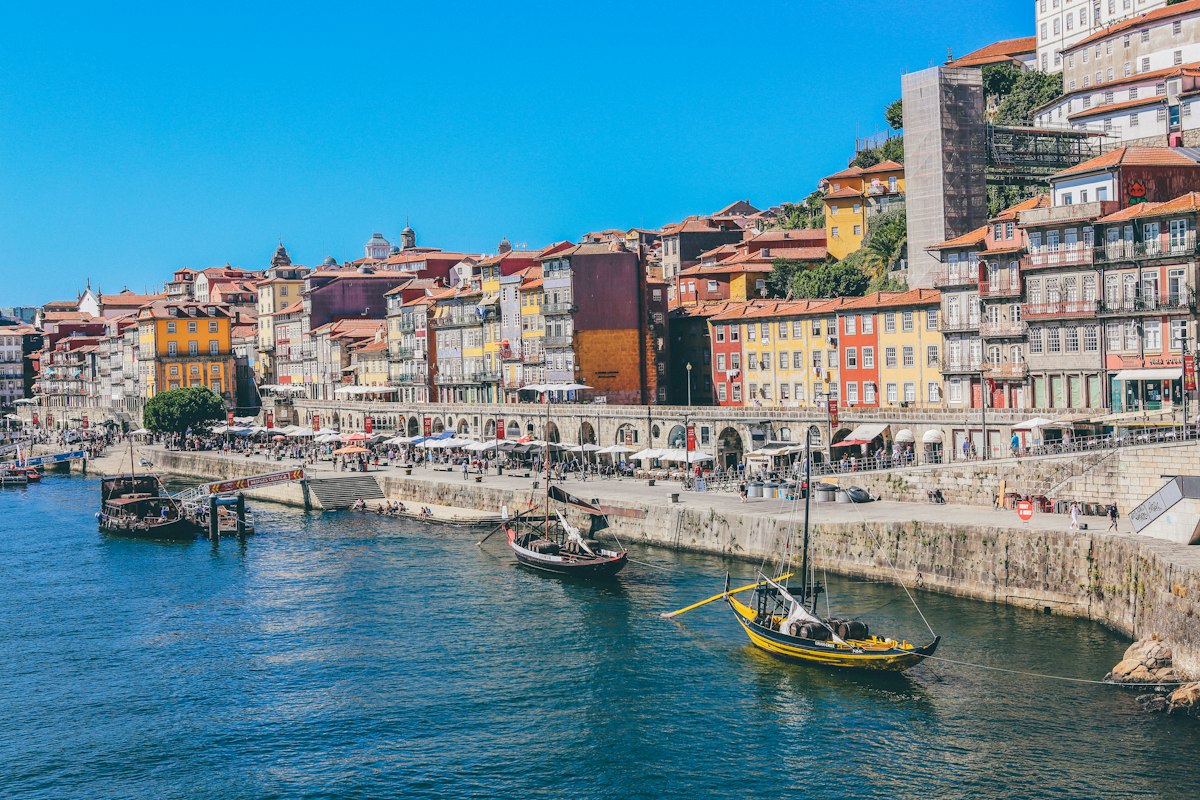
Twenty kilometres north of Évora, in the undulating cork-oak landscape of the Central Alentejo, a whitewashed hilltop village has been producing hand-embroidered carpets since the thirteenth century. Arraiolos is not a place that announces itself — there are no boutique hotels competing for design awards, no international flight connections, no festival circuit cachet. What it possesses instead is something rarer: an unbroken artisanal tradition of half a millennium, a landscape of operatic grandeur, and a quality of stillness that the luxury market is only now beginning to price correctly.
The Carpets: Five Centuries of Needle and Wool
The Tapetes de Arraiolos are Portugal's most distinguished textile tradition. First documented in the fifteenth century, though likely of Moorish origin, they are cross-stitch embroidered carpets worked in wool on linen or jute, following patterns that evolved from Persian and Indo-Portuguese influences into a distinctively Portuguese visual language — sinuous borders, botanical motifs, heraldic animals rendered in the deep blues, terracottas and forest greens of the Alentejo palette.
Unlike mechanised carpet production, Arraiolos tapestries remain entirely handmade. A single carpet of two by three metres requires 600 to 800 hours of work — three to four months of sustained needlework by a skilled artisan. The finest examples, worked in finer gauge with more complex patterns, can require over a thousand hours. This labour intensity means that an Arraiolos carpet of museum quality represents a concentration of human skill and patience that places it alongside the most demanding luxury crafts.
The workshops survive in modest ateliers along the village's main streets, where women — the craft has been predominantly female for its entire history — work at wooden frames in conditions that would be immediately recognisable to their sixteenth-century predecessors. Commissions for bespoke carpets are accepted, with clients specifying dimensions, colour palettes and pattern families; delivery times of six months to a year are standard.
The Pousada: Monastic Luxury
The Pousada Convento de Arraiolos, installed in a sixteenth-century Lóios convent, established the town's credentials as a luxury destination. The conversion preserved the cloister, chapter house and refectory while introducing contemporary comforts with the restraint that characterises Portugal's best heritage hospitality. The swimming pool occupies what was once the monastery garden; the restaurant serves Alentejo cuisine of genuine distinction.
This single property — along with a handful of restored quintas in the surrounding countryside — represents the entirety of Arraiolos' luxury accommodation. The scarcity is the point. This is not a destination designed for volume; it is a place that reveals itself to those who arrive with patience and an appreciation for craft.
The Alentejo Estate Market
The property proposition around Arraiolos centres on the monte alentejano — the traditional estate farmhouse of the region. These properties typically comprise a main house of 300–600 square metres, agricultural outbuildings suitable for conversion, and land holdings of 10 to 100 hectares planted with cork oak, olive groves, or mixed agriculture.
Prices for restored montes with modern amenities (pool, guest houses, updated kitchens) range from €800,000 to €2.5 million — extraordinary value by international estate standards. Unrenovated properties requiring full restoration can be acquired for €300,000–€700,000, with renovation costs of €1,500–€2,500 per square metre delivering results of exceptional quality, given the Alentejo's deep tradition of lime-wash construction and terracotta craftsmanship.
The comparison with Comporta is instructive: the coastal Alentejo has seen significant price appreciation driven by international attention, while the interior — equally beautiful, arguably more authentic — remains substantially undervalued. For buyers seeking the Alentejo's essential qualities of space, light and tranquillity without the coastal premium, the Arraiolos-Évora corridor represents Portugal's most compelling rural luxury proposition.
The Landscape as Architecture
The Central Alentejo around Arraiolos is characterised by a rolling terrain of immense visual generosity — golden grasslands punctuated by the dark sculptural forms of cork oaks and holm oaks, with horizons that extend uninterrupted for twenty or thirty kilometres. In spring, the wildflower season transforms the plains into a chromatic spectacle; in summer, the harvested wheat fields achieve the precise golden tone that gives the Alentejo its photographic reputation; in autumn, the cork harvest exposes the raw red-brown trunks of the sobreiros in a display of organic colour that no painter has ever quite captured.
This is landscape operating at an architectural scale — vast, structured, rhythmic — and its effect on daily life is profound. The Alentejo's light, famously the clearest in Portugal, enters rooms with an intensity and consistency that shapes interior life. Architecture here has always been a response to light: the thick-walled, small-windowed montes are designed not to exclude the landscape but to frame and control it, creating interior atmospheres of extraordinary quality.
Gastronomy: The Alentejo's Generous Table
Alentejo cuisine is Portugal's most substantial and arguably its most honest. The bread-based soups — açorda with coriander and poached egg, migas with slow-braised pork — represent a culinary tradition that transforms minimal ingredients through technique and patience. The porco preto (Iberian black pork), raised on acorns in the surrounding montado, produces charcuterie of international calibre. The olive oils are among Portugal's finest, with the Alentejo Norte DOP producing oils of exceptional fruitiness and peppery finish.
The wine revolution in the Alentejo has been one of Portugal's most significant gastronomic developments. Within thirty minutes of Arraiolos lie some of the country's most respected estates — Herdade do Esporão, João Portugal Ramos, Adega de Borba — producing wines that have achieved international recognition while maintaining a distinctly regional character.
Connectivity and Solitude
Arraiolos sits 110 kilometres east of Lisbon — ninety minutes by car on the A6 motorway. Évora, with its UNESCO-listed historic centre, university, and commercial infrastructure, is twenty minutes south. The Alentejo coast, with the beaches of Melides and Comporta, is accessible within an hour.
This positioning offers a calibrated balance between solitude and access. The daily experience of life in the Arraiolos countryside is one of profound quiet — the cork oaks, the sheep bells, the enormous sky — while Lisbon's airports, restaurants and cultural life remain within comfortable reach for a day trip or evening engagement.
The Proposition
Arraiolos offers something that the contemporary luxury market increasingly values but struggles to source: authenticity that has not been curated for consumption. The carpet workshops are not heritage experiences designed for visitors; they are working ateliers continuing a practice that predates the discovery of Brazil. The landscape has not been landscaped; it has been farmed with the same species for centuries. The architecture has not been styled; it has been lime-washed annually since the Moors.
For buyers who have seen enough designed luxury and seek instead the real thing — genuine craft, genuine landscape, genuine quiet — Arraiolos and its surrounding countryside represent one of the last places in Western Europe where these qualities can be acquired at a price that reflects value rather than speculation.
Portugal Latitudes — Your guide to exceptional Portuguese living. Request private access →