The Azores: Europe's Last Luxury Frontier and Why Ultra-High-Net-Worth Buyers Are Circling
March 15, 2026 · 11 min read
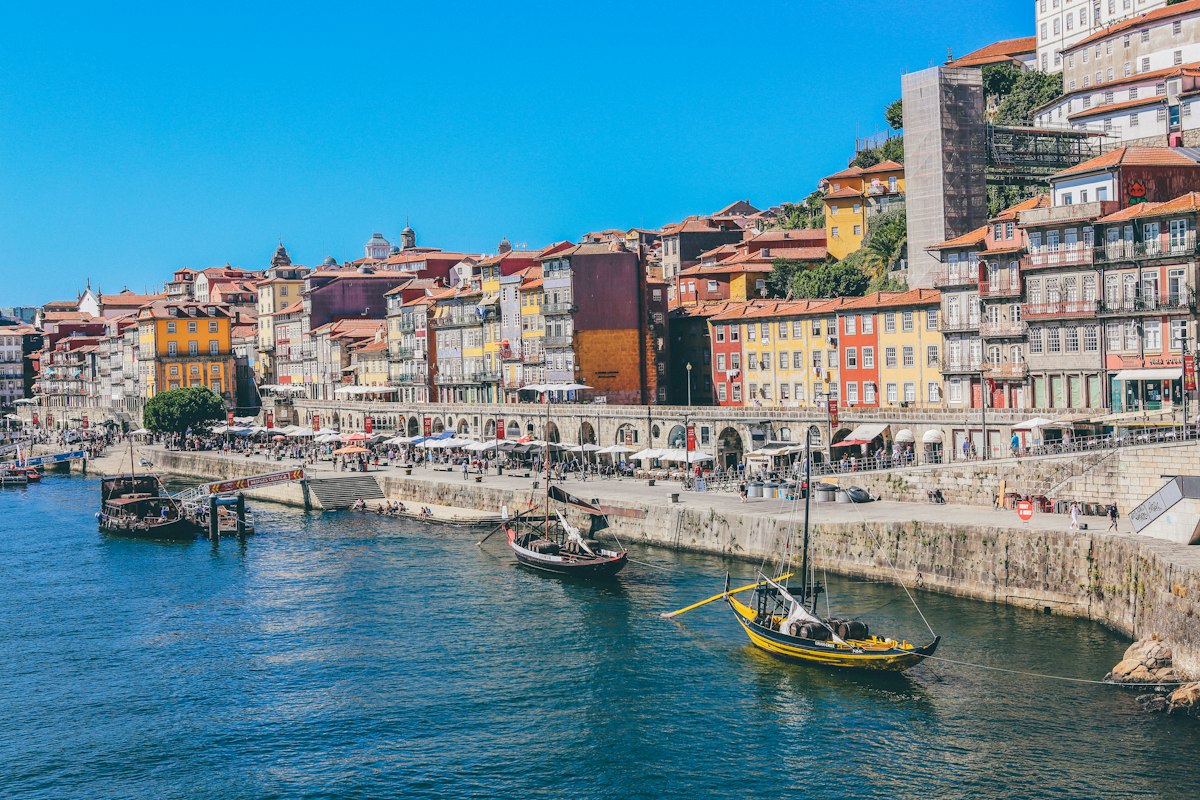
Two thousand kilometres west of Lisbon, rising from the Mid-Atlantic Ridge like emeralds scattered on dark water, the Azores archipelago has spent centuries in splendid isolation. Nine volcanic islands, 250,000 residents, and a tourism infrastructure that, until recently, consisted principally of whale-watching operators and hiking guides. In 2026, that equation is changing — not through mass development, but through the quiet arrival of a buyer class that sees in the Azores exactly what they once found in Iceland, Patagonia and the Maldives before the crowds followed.
The Geography of Exclusivity
The Azores' greatest luxury asset is one that no developer can manufacture: scarcity enforced by geography. São Miguel, the largest island, is roughly the size of Singapore but holds 140,000 people instead of six million. Flores, at the archipelago's western extreme, has 3,700 residents and no traffic lights. Corvo, the smallest, has 430 inhabitants and one village. These are not remote by inconvenience — direct flights from Lisbon take 2.5 hours, from Boston 4.5 — but remote by design, protected by Atlantic weather patterns that filter casual visitors as effectively as any membership committee.
The volcanic geology creates landscapes that belong more to fantasy than real estate prospectuses. Caldeira das Sete Cidades, where twin lakes of green and blue fill a collapsed crater, offers 360-degree privacy within natural amphitheatre walls. Furnas Valley's geothermal springs heat homes and pools without any utility bill. Pico Island's vineyards — UNESCO-listed, grown in black basalt enclosures called currais — produce wines that command €300 per bottle at the cellar door. This is not manufactured luxury; it is luxury embedded in the earth itself.
The New Development Paradigm
What distinguishes Azorean luxury development from the Algarve or Comporta is the regulatory framework. The archipelago's autonomous government maintains strict building controls: no structure may exceed three storeys, no development may compromise volcanic or hydrothermal zones, and all new construction must incorporate at least 60% local basalt stone. The result is an involuntary luxury strategy — low density, natural materials, architectural integration — that mainland developers spend millions trying to simulate.
The first wave of boutique properties has arrived on São Miguel's south coast, where former quintas (country estates) are being converted into five-to-ten-suite retreats. The economics are compelling: acquisition costs of €800,000 to €2 million for estates that, on the Côte d'Azur or Amalfi Coast, would command ten times the price. Renovation with geothermal heating, volcanic stone, and endemic timber (Azorean laurel, Cryptomeria japonica) adds €1,500 to €2,500 per square metre. The finished product — intimate, geological, absolutely singular — attracts a nightly rate of €800 to €2,000 without any difficulty.
The Buyer Profile
Azorean buyers fall into three distinct categories. The first is the European climate migrant — typically Scandinavian or Dutch, drawn by the archipelago's year-round temperate climate (14°C to 25°C), excellent healthcare system and NHR tax regime that Portugal still offers to new residents. The second is the American bicoastal — attracted by the strategic mid-Atlantic position (four hours from New York, five from London), FAA-certified airports and the US dollar's purchasing power against the euro. The third, and most recent, is the regenerative traveller: UHNW individuals who have exhausted conventional luxury destinations and seek authentic engagement with landscape, agriculture and oceanic ecosystems.
Common to all three is an aesthetic that prizes restraint over display. There are no marble lobbies in the Azores, no infinity pools cantilevered over cliffs (the volcanic terrain prohibits them), no Michelin-starred restaurants (yet). What there is: silence measured in decibels rather than metaphor, water quality that rivals laboratory purification, air so clean that the European Space Agency uses the archipelago as an atmospheric baseline. For a buyer class increasingly defined by wellness metrics and environmental consciousness, these are not amenities — they are necessities.
The Investment Thesis
The numbers support early action. São Miguel residential values increased 47% between 2022 and 2025, outperforming Lisbon (31%) and the Algarve (28%). Yet average prices remain at €2,200 per square metre — a fraction of comparable island destinations in the Mediterranean. Direct air routes, which doubled from 14 to 28 between 2023 and 2025, continue to expand: SATA Air Açores now operates year-round service to Frankfurt, Paris and Milan.
The constraint is supply. Strict building codes limit new construction to approximately 200 units per year across the entire archipelago. Historic quintas suitable for conversion number fewer than 150. Waterfront parcels with development permissions can be counted on two hands. This is not a market where you can wait and buy later — the inventory is geologically finite, and every flight added, every Financial Times feature published, brings it closer to the pricing correction that early buyers are positioning to capture.
The Atlantic Promise
Perhaps the Azores' most radical proposition is temporal. In a world where luxury destinations are measured by their proximity to saturation — how many years until Tulum becomes Cancún, until Comporta becomes the Algarve, until the Algarve becomes Benidorm — the Azores offer something structurally different. Volcanic geology limits buildable land. Autonomous regulation limits density. Atlantic isolation limits casual access. These are not temporary advantages that erosion, lobbying or investment can overcome; they are permanent features of the archipelago's physical and political geography.
For the discerning buyer, the calculation is straightforward. The Azores today occupy the same position that Iceland held in 2010, that Patagonia held in 2005, that the Maldives held in 1995 — recognised by those who seek them out, invisible to those who don't. The difference is that the Azores are in Europe, under EU regulation, with Portuguese property law, Euro-denominated transactions and a healthcare system ranked 12th globally. The frontier is open. But geography ensures it cannot remain so for long.
Published by Portugal Latitudes · Part of the Latitudes Media network. Explore more: Riviera · Spain · Italy