Cascais: How Lisbon's Royal Riviera Became Portugal's Most Aristocratically Compelling Coastal Luxury Address
March 21, 2026 · 14 min read
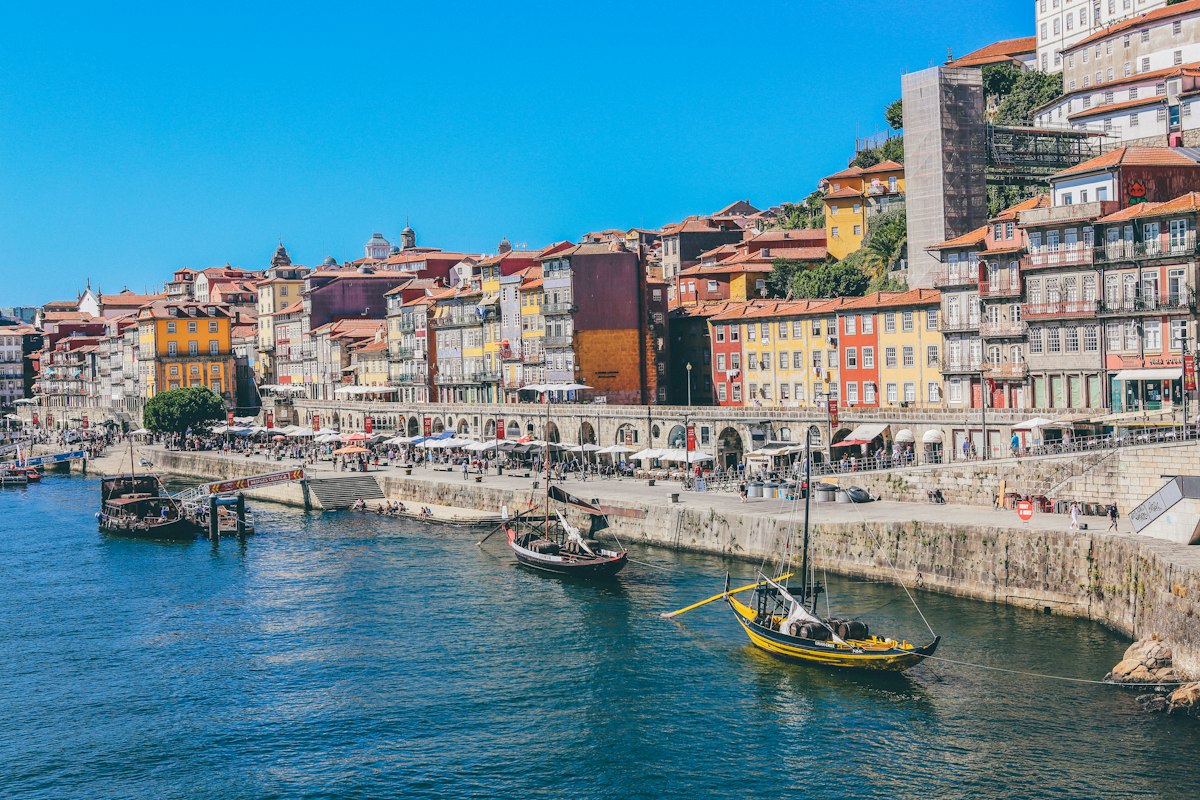
When King Luís I chose the fishing village of Cascais as his summer residence in 1870, he set in motion a transformation that would take a century and a half to fully articulate. The royal court followed. The European aristocracy noticed. The grand hotels materialised. And a small promontory of wind-sculpted limestone, thirty kilometres west of Lisbon's Praça do Comércio, began its ascent toward becoming the Iberian Peninsula's most enduringly sophisticated coastal address.
Today, Cascais occupies a position in the Portuguese luxury landscape that no other municipality can credibly challenge. It is not merely expensive — Portugal has newer, flashier developments competing for international capital. It is aristocratic in the deeper sense: a place where wealth has had time to settle, where taste has been refined across generations, and where the Atlantic light falls on limestone facades that have witnessed the leisure of kings.
The Royal Inheritance
The Cidadela de Cascais, the 17th-century fortress that King Luís converted into his summer palace, remains the symbolic anchor of the town's luxury identity. Now operating as the Pestana Cidadela Art District — a five-star hotel integrated with artists' studios and the Paula Rego Museum — the citadel embodies Cascais's approach to luxury: historically rooted, culturally active, architecturally preserved. There are no glass towers here. The building codes, among Portugal's most restrictive, ensure that new construction must harmonise with the existing limestone-and-azulejo vernacular.
This regulatory discipline has created an artificial scarcity that drives the most compelling real estate dynamics on the Portuguese coast. In the Quinta da Marinha and Guincho corridors, clifftop villas with unobstructed Atlantic views trade between €8 million and €18 million — figures that would have been unthinkable a decade ago, but which reflect a fundamental repricing of Portuguese luxury in the post-Golden Visa era. The buyers are no longer opportunistic investors seeking residency permits; they are families from Northern Europe and the Americas choosing Cascais for what it is rather than what it offers bureaucratically.
The Estoril-Cascais Corridor: Europe's Most Undervalued Riviera
The coastal road from Estoril to Guincho — the Estrada Marginal and its continuation along the N247 — traces what is arguably Europe's most scenically dramatic luxury corridor. Beginning at the Casino Estoril, which Ian Fleming immortalised as the inspiration for Casino Royale, the route passes through a succession of microenvironments: the manicured gardens of Estoril's grand hotel district, the yacht-lined marina of Cascais, the wild dunes of Guincho, and finally the vertiginous cliffs of Cabo da Roca, continental Europe's westernmost point.
Each segment supports a distinct luxury typology. Estoril's Belle Époque villas, many converted into boutique hotels or diplomatic residences, appeal to those who value proximity to Lisbon's international school circuit and the Linha de Cascais rail connection. Central Cascais offers the walkable Mediterranean village fantasy — cobblestoned streets, artisanal gelaterias, the daily fish market at Mercado da Vila — in a format that feels authentic because it largely is. And beyond Guincho, where the Sintra-Cascais Natural Park begins, the landscape turns primal: granite headlands, Atlantic rollers, and a handful of estates where the only neighbours are the wind and the sea.
Quinta da Marinha: The Golf Estate That Became a Dynasty Address
Quinta da Marinha, the Robert Trent Jones-designed golf resort that opened in 1984, has evolved from a sporting amenity into Cascais's most established residential enclave for multi-generational wealth. The estate's 400-hectare footprint — pine forest, manicured fairways, and a two-kilometre stretch of private beachfront — creates a contained world that balances exclusivity with genuine community. The Oitavos Dunes hotel, a minimalist masterpiece by the Pritzker-shortlisted architects Bastai & Forjaz, anchors the estate's hospitality offering with 142 rooms, a Thalassotherapy centre, and a restaurant programme that sources from the Sintra mountains.
Residential properties within Quinta da Marinha range from €2.5 million townhouses to €15 million standalone villas, with the most coveted plots backing directly onto the dunes. What distinguishes these homes from comparable offerings in the Algarve or the Balearics is their integration with the surrounding natural park. Building heights are capped at two storeys. Garden lighting must be downward-facing to protect nesting bird populations. And the estate's private security infrastructure — discreet but comprehensive — ensures a level of privacy that gated communities in more tourist-saturated destinations cannot match.
The Gastronomic Renaissance
Cascais's culinary evolution mirrors its broader luxury trajectory: what was once a destination for excellent but traditional Portuguese seafood has become one of Southern Europe's most dynamic gastronomic addresses. The catalyst was Fortaleza do Guincho, the converted fortress restaurant that held a Michelin star from 2001 to 2019 and trained a generation of chefs who have since opened across the municipality.
Today, the essential Cascais dining circuit includes Hemingway, a seafood-centric fine dining room at the Farol Hotel where the terrace overlooks the lighthouse and the Atlantic; Taberna da Praça, where the chef serves a deconstructed Portuguese tasting menu in a former fishermen's tavern; and the newly opened Atlântico, a €4 million clifftop restaurant where the wine programme alone — 800 references, with a particular depth in aged Douro reds and Colares — justifies the journey.
But the truest expression of Cascais gastronomy remains the Mercado da Vila, the municipal market where fishmongers have operated since the 1500s. Here, at seven in the morning, before the tourists arrive, the day's catch is laid out on marble slabs still wet from the Atlantic: robalo, linguado, percebes, navalheiras. The woman behind the counter knows her regulars — the retired ambassador, the tech entrepreneur, the Guincho surf instructor — and adjusts her recommendations accordingly. This is not curated luxury; it is the real thing, and it is why Cascais endures while newer destinations cycle through fashion.
The New Cascais: Tech, Art, and Transatlantic Capital
Cascais's transformation from retirement-and-golf destination to a hub for transatlantic capital and creative industry has accelerated dramatically since 2020. The municipality's decision to invest in fibre-optic infrastructure, co-working spaces, and startup incubators — centred around the Nova SBE campus in Carcavelos — has attracted a cohort of founders, remote executives, and creative directors who are reshaping the social fabric of the Estoril coast.
The Casa das Histórias, the museum dedicated to Paula Rego and designed by Eduardo Souto de Moura, anchors a cultural programme that now includes the Cascais Jazz Festival, the Fiartil artisan market, and a growing gallery scene concentrated in the streets around the Câmara Municipal. For the luxury buyer, this cultural depth provides what sun-and-sand destinations structurally lack: intellectual sustenance, social complexity, and the sense that one is choosing to live somewhere rather than merely vacationing indefinitely.
The numbers tell the story. In 2025, Cascais recorded its highest average price per square metre for luxury residential — €7,200 in the prime central zone, €9,400 along the Guincho corridor — with transaction volumes up 23% year-on-year despite tightening credit conditions. The municipality's permanent population grew by 4.2% in the same period, the fastest rate among Lisbon's premium suburbs. And the international school waitlist at St. Julian's — the bellwether of family relocation intent — now extends eighteen months.
Cascais is no longer becoming. It has become. The question is no longer whether it belongs in the conversation with Cap Ferrat, Portofino, or Mallorca's southwest coast, but whether those established Rivieras can match the velocity of its ascent. King Luís, surveying the Atlantic from his citadel terrace 156 years ago, chose well. The world is finally catching up.
Published by Latitudes Media · More from Portugal Latitudes →