Figueira da Foz: How Portugal's Silver Coast Capital Became the Atlantic's Most Undervalued Luxury Beachfront
March 20, 2026 · 14 min read
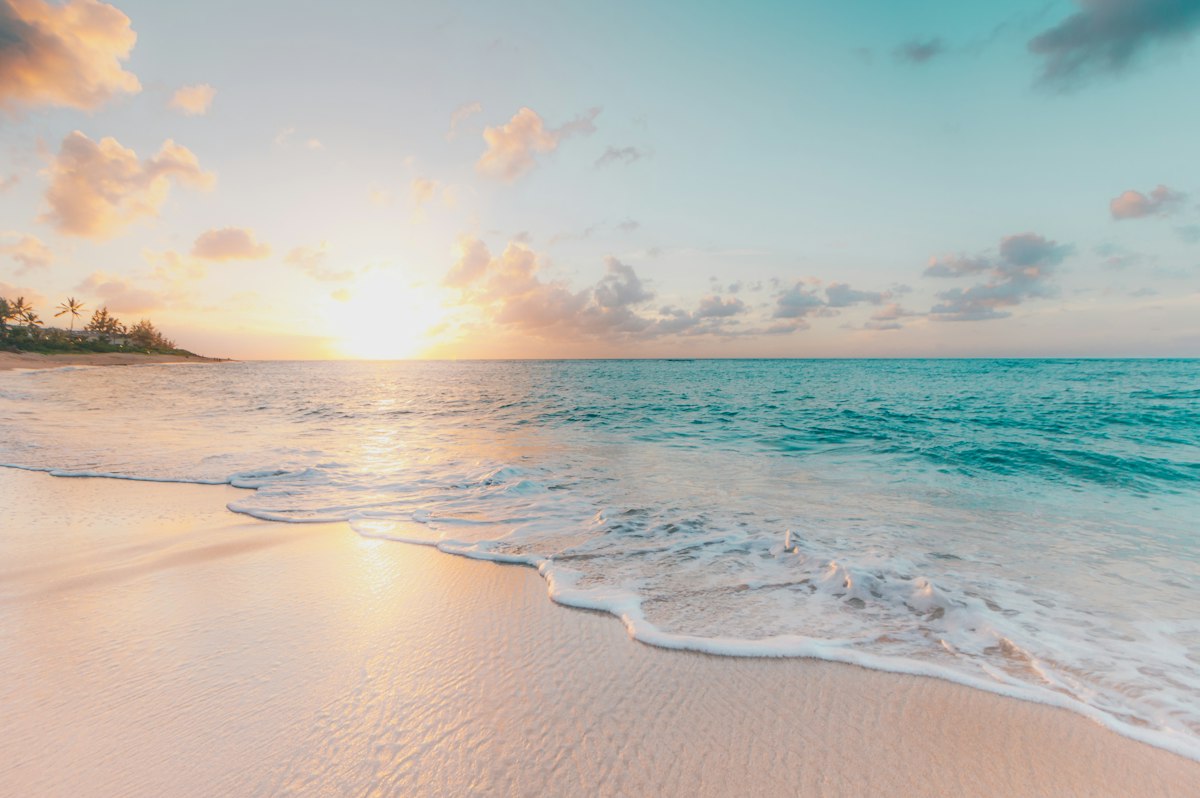
There exists a peculiar asymmetry in Portuguese real estate that defies rational explanation. The Algarve, with its limestone cliffs and warm Mediterranean influence, commands €5,000–€10,000 per square metre for beachfront property. Cascais, riding the slipstream of Lisbon's gravitational pull, has crossed €7,000/m² for premium addresses. And yet Figueira da Foz — a city that possesses the widest urban beach in Europe, a century-old casino culture, world-class surf, a navigable estuary, and direct motorway access to Coimbra and Porto — sits at €1,800–€3,200/m² for its finest seafront properties. The arbitrage is so stark, so structurally illogical, that it can only be explained by the market's chronic inability to price what it hasn't yet discovered.
The Beach That Rewrites Scale
Praia da Claridade — the Beach of Clarity — stretches for nearly two kilometres along Figueira da Foz's urban waterfront, with a width that routinely exceeds 300 metres at low tide. The dimensions are not merely impressive; they are category-defining. Where most European beach cities squeeze their luxury proposition into narrow strips of sand flanked by promenades, Figueira offers a beachscape of almost desert proportions within walking distance of the city centre. The effect is psychological as much as physical: standing at the water's edge, the built environment recedes into abstraction. The beach becomes landscape, and the city becomes an elegant backdrop to an oceanic theater.
But scale alone does not create luxury. What distinguishes Figueira's coastline is the quality of the water, the consistency of the surf, and the geological drama that intensifies as one moves north toward Buarcos. Here, the Serra da Boa Viagem — a forested headland rising 257 metres above sea level — creates a natural amphitheater of coves, rock pools, and cliff-perched viewpoints that rival anything on the Algarve's western coast. The beach at Buarcos, sheltered by the headland, offers the paradox that luxury beach buyers prize above all: proximity to wild ocean paired with the calm of natural protection.
The Casino Heritage
Figueira da Foz's identity as a luxury resort predates the modern concept of beach tourism. The Casino Figueira, established in 1884, is the oldest continuously operating casino on the Iberian Peninsula — a distinction that embedded a culture of leisure, spectacle, and cosmopolitan aspiration into the city's DNA more than a century before the Algarve's first golf resort opened its gates. The Belle Époque and Art Deco architecture that lines the seafront promenade — the Avenida 25 de Abril — testifies to an era when Figueira was Portugal's premier resort destination, drawing the Lisbon and Coimbra bourgeoisie for summer seasons of bathing, gambling, and social display.
This heritage is not merely atmospheric. It has produced an architectural stock of exceptional quality: early 20th-century villas with ocean-facing verandas, Art Deco apartment buildings with original tile work and ironwork balconies, and a handful of palatial properties in the Buarcos quarter that combine cliff-top position with period grandeur. The best of these — four-bedroom villas with direct beach access and Serra da Boa Viagem as a backdrop — trade between €450,000 and €850,000, prices that would be comic in the Algarve and impossible in Cascais. For the buyer who understands that architectural authenticity cannot be manufactured, Figueira's Belle Époque stock represents a finite, non-reproducible asset class.
The Mondego Estuary: Waterfront Living Redefined
The Mondego River reaches the Atlantic at Figueira da Foz, creating an estuary system that adds a dimension absent from Portugal's other beach resort cities. The south bank — accessible via the bridge to Gala and Lavos — offers a landscape of rice paddies, salt flats, and riverside quintas that feels centuries removed from the urban beach across the water. Properties here occupy a liminal space between agricultural estate and coastal retreat: renovated farmhouses with river frontage, modern villas positioned for sunset views over the estuary, and the occasional substantial quinta with hectares of productive land.
The estuary also supports a marina and fishing harbour that anchor Figueira's identity as a working waterfront city — a quality that insulates it from the sterility that afflicts purpose-built resort towns. The morning fish market at the Doca de Recreio, where local boats unload sardines, sea bass, and percebes (goose barnacles) directly to buyers, is a daily reminder that Figueira's relationship with the ocean is productive, not merely decorative. For the luxury resident, this authenticity translates into a gastronomic ecosystem of remarkable quality: seafood restaurants along the Buarcos waterfront that serve grilled turbot and arroz de marisco at prices that would constitute a provocation in Comporta.
The Surf Economy
Figueira da Foz has hosted the World Surf League's Championship Tour events, establishing the city as one of Europe's premier surf destinations. The Praia do Cabedelo, on the south bank of the Mondego, produces one of the continent's longest right-hand point breaks — a wave that can hold over 200 metres of rideable face when conditions align. The Supertubos-adjacent reef breaks north of Buarcos add variety and consistency that keep the international surf community engaged year-round.
This surf identity is not merely recreational; it is economically transformative. The surf economy has attracted a generation of entrepreneurs, digital nomads, and creative professionals who value wave quality alongside workspace quality. Co-working spaces, specialty coffee roasters, and design-conscious accommodations have followed, creating a cultural layer that enriches the city's appeal beyond its traditional beach-and-casino proposition. For the luxury investor, this demographic shift signals the early stages of the gentrification curve that transformed Ericeira from fishing village to lifestyle destination — but at price points that still reflect the pre-discovery phase.
The Coimbra Connection
Figueira da Foz sits 45 minutes from Coimbra by motorway — a proximity that fundamentally distinguishes it from Portugal's other beach markets. Coimbra, home to one of Europe's oldest universities (founded 1290, UNESCO-listed since 2013), provides a cultural and intellectual infrastructure that no beach town can generate independently: a university hospital, international schools, a vibrant arts scene, and a cosmopolitan population of students, academics, and medical professionals from across the Portuguese-speaking world.
This proximity creates a dual-market dynamic. Coimbra's professional class has long used Figueira as its beach annex — a relationship that provides stable, quality-driven demand independent of international tourism cycles. The result is a market that has proven remarkably resilient during Portugal's various economic disruptions: properties hold value because they serve a local constituency with deep roots and consistent needs, not because they depend on the fickle appetites of foreign speculators. For the international buyer, this local foundation provides the rarest of luxury market qualities: downside protection rooted in genuine utility rather than aspirational pricing.
The Investment Thesis
Figueira da Foz's undervaluation is structural, not fundamental. The city possesses every attribute that has driven premium pricing in Portugal's established luxury markets — beachfront position, architectural heritage, surf culture, gastronomic distinction, natural beauty — at 30-50% of comparable pricing. The Silver Coast corridor from Figueira south to Nazaré is experiencing the early stages of the same international discovery process that transformed the Alentejo coast and the western Algarve over the past decade.
The catalysts for revaluation are already in place. The A14 motorway provides seamless connectivity to the Lisbon–Porto corridor. Porto Airport, under expansion, is 90 minutes north. The University of Coimbra's growing international profile brings a steady stream of sophisticated visitors who discover the coast and return as property buyers. And the Serra da Boa Viagem, whose protected status prevents the over-development that has compromised other Portuguese coastal cities, guarantees that Figueira's natural capital — the headland, the forest, the cliff-cove beaches — will remain intact as the surrounding market matures.
In a Portuguese market where the Algarve has priced out value-conscious luxury buyers and Lisbon has priced out everyone else, Figueira da Foz offers the increasingly rare proposition of entry-point pricing in a location whose fundamentals are not merely adequate but exceptional. The question is not whether the market will discover Figueira — it is whether one will have positioned before or after the discovery is priced in.
Portugal Latitudes
Premium intelligence on Portuguese luxury real estate, lifestyle, and investment.
Request Access →