Lisbon's Chiado Renaissance: Inside the €15M Palácio Market
March 13, 2026 · 7 min read
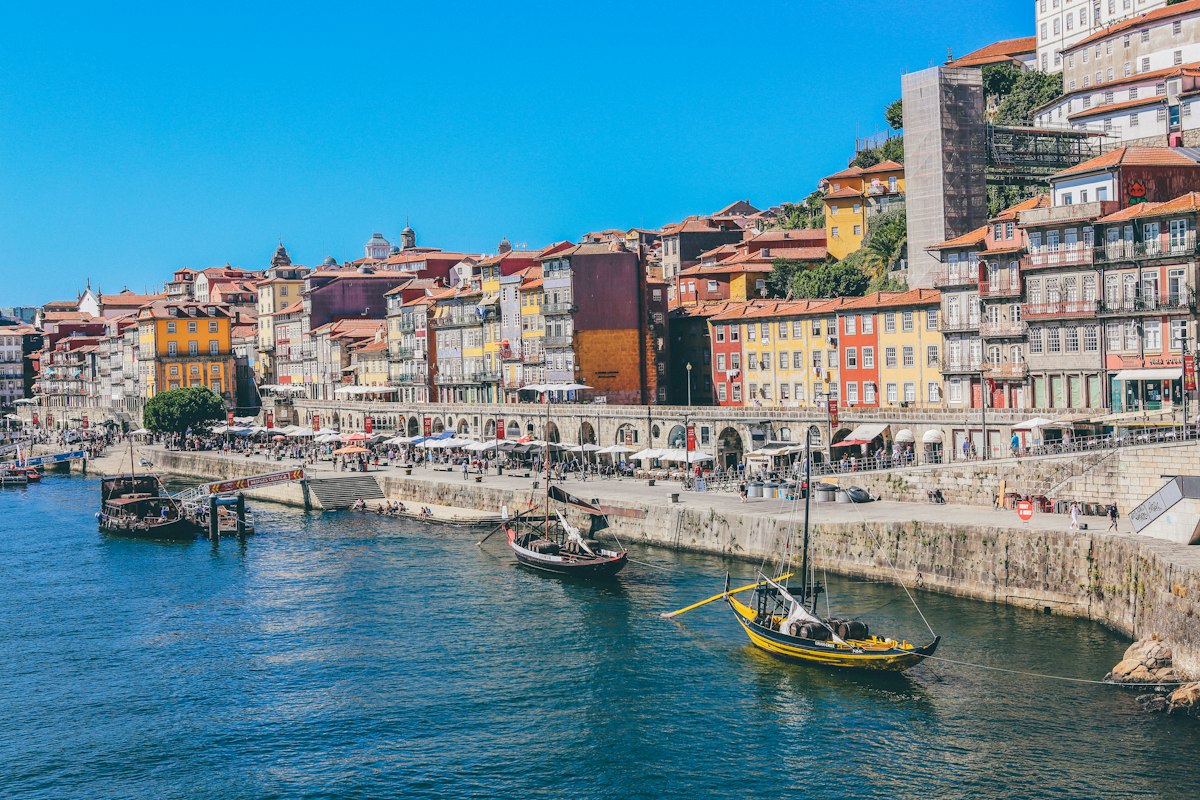
In the narrow streets between Chiado, Príncipe Real and Estrela, a quiet revolution is underway. Eighteenth-century palaces — many dormant for decades behind crumbling azulejo facades — are being meticulously restored and converted into some of Europe's most extraordinary private residences. The price tags are eye-watering, but so is the product.
The Palácio Premium
Lisbon's golden triangle — the area bounded by Chiado, Príncipe Real and Avenida da Liberdade — has emerged as Portugal's answer to Paris's Left Bank or London's Belgravia. The appeal is straightforward: UNESCO-worthy architecture, walkable urbanism, world-class restaurants and a climate that delivers 300 days of sunshine.
Developers like Vanguard Properties, Mexto and Castelhana are leading the transformation. Their playbook: acquire a listed palace, engage heritage architects, preserve the original volumes and decorative elements (frescoed ceilings, hand-painted tiles, carved stone portals), and deliver contemporary interiors by names like Oitoemponto or Patricia Urquiola.
The result is a product category that barely exists elsewhere in Europe: 300–600 sqm apartments with 4-metre ceilings, original 18th-century detailing, Gaggenau kitchens, heated marble floors and private terraces overlooking the Tagus.
Price Architecture
The top floor of a restored Chiado palace now commands €10,000–15,000 per square metre — up from €6,000 five years ago. A full-floor residence of 400 sqm thus prices between €4 million and €6 million. Penthouses with rooftop terraces in prime locations have traded above €10 million, with a handful of whole-building conversions reaching €15–20 million.
For context, equivalent product in Paris's 6th arrondissement starts at €20,000/sqm, and London's Belgravia begins at €25,000/sqm. Lisbon's value proposition remains compelling even after a decade of appreciation.
Avenida da Liberdade: The New Bond Street
Portugal's most prestigious avenue has completed its transformation into a luxury retail corridor. Louis Vuitton, Hermès, Prada and Dior now anchor a boulevard that also hosts some of Lisbon's finest residential addresses. The recent opening of the Corinthia Hotel — with residences — has further elevated the street's cachet.
Side streets off the Avenida hide some of the most interesting projects: converted textile factories with industrial-chic loft spaces, art deco buildings reimagined with rooftop pools, and intimate boutique developments of just 4–6 units with concierge services.
The Buyer Profile
The ultra-luxury Lisbon buyer has evolved. Early movers were Northern European retirees attracted by the NHR tax regime. Today's buyers are younger, more international and more demanding. Brazilian tech entrepreneurs, American family offices, Gulf-based investors and French financiers make up the core demographic.
Many maintain Lisbon as one of several residences — a European anchor point that offers quality of life, safety and connectivity at a fraction of the cost of Paris or London. The direct flights to New York (TAP, United), São Paulo and Dubai reinforce the city's role as a global lifestyle hub.
What's Next
The pipeline suggests continued momentum. The Santos district — Lisbon's emerging waterfront neighbourhood — is attracting major mixed-use developments. Marvila, the former industrial zone east of the city centre, is drawing galleries and creative studios in a pattern reminiscent of Berlin's Mitte in the early 2000s.
For the core golden triangle, the constraint is supply. There are only so many 18th-century palaces, and the best are already spoken for. Those who moved early — or move now — will benefit from the irreplaceable nature of the asset. Historic Lisbon isn't making any more palaces.