Óbidos: How Portugal's Medieval Walled Village Became Europe's Most Literarily Enchanted Luxury Destination
March 2026 · 10 min read
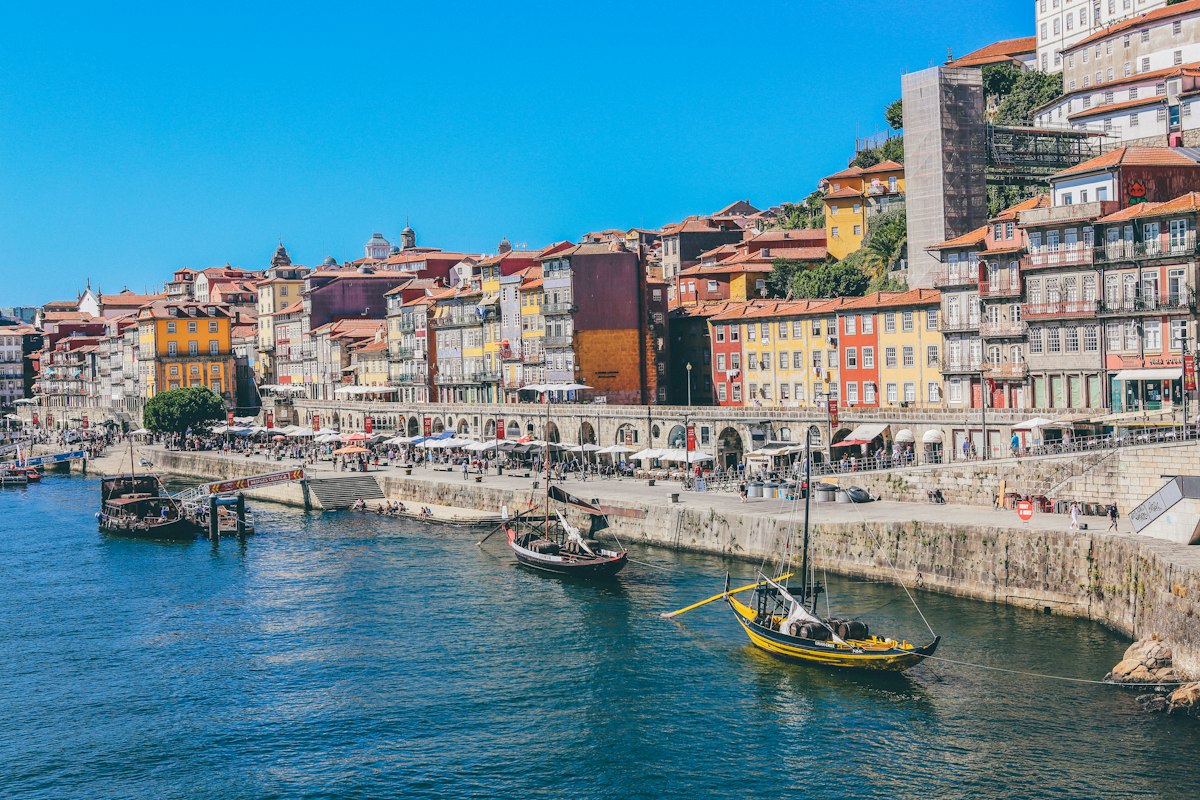
In 1282, King Dinis of Portugal gave the entire town of Óbidos to his bride, Queen Isabel, as a wedding present. It was, by any measure, a gesture of extraordinary generosity — and an act of remarkably prescient real estate selection. Seven centuries later, this immaculately preserved medieval village, encircled by crenellated walls and crowned a UNESCO Creative City of Literature, has become one of Portugal's most culturally distinctive luxury destinations.
The Walled Jewel
Óbidos occupies a hilltop position roughly eighty kilometres north of Lisbon, its medieval walls forming an almost complete circuit that visitors can walk in their entirety. Within these walls, the village presents a composition of whitewashed houses trimmed in terracotta and cobalt blue, narrow cobblestoned streets barely wide enough for a single car, and an architectural coherence that makes it feel less like a preserved town than a place where the thirteenth century never entirely departed.
The castle at the village's summit, originally Moorish and subsequently fortified by successive Portuguese kings, now operates as a pousada — one of Portugal's historic government-run hotels. Sleeping within a medieval fortress, with views across the Estremadura plain to the Atlantic, remains one of the country's most distinctive hospitality experiences.
City of Literature
Óbidos's designation as a UNESCO Creative City of Literature in 2015 was not a bureaucratic honour bestowed on a village with a good library. It was recognition of a systematic transformation that had, over the preceding decade, converted an entire medieval town into a literary ecosystem without parallel in Europe.
The programme began with the conversion of a deconsecrated church into a bookshop — the Igreja de Santiago, where novels now fill the nave and poetry occupies the transept. It expanded to encompass a literary hotel (the Literary Man, housing 65,000 volumes), bookshops integrated into medieval architecture throughout the village, and an annual international literary festival (FOLIO) that draws writers from across the Portuguese-speaking world and beyond.
Most remarkably, Óbidos has created thematic residency programmes that invite writers to live and work within the walls, producing a creative economy that is not performative but generative. The village does not merely display books; it produces literary culture.
The Ginjinha Tradition
Óbidos is synonymous with ginjinha — the sour cherry liqueur served in chocolate cups that has become one of Portugal's most recognisable artisanal products. The tradition dates to the medieval period, when monastic gardens cultivated the ginja cherry for medicinal purposes. Today, every shop along the Rua Direita offers its own version, and the ritual of sipping ginjinha from an edible chocolate vessel while walking the castle walls has become an essential Portuguese experience.
The broader gastronomy reflects the Silver Coast's position between ocean and agricultural hinterland: fresh fish from Peniche (twenty minutes distant), Estremadura wines from the surrounding vineyards, and a tradition of conventual sweets — egg-and-sugar confections originally created by the nuns of local convents — that represents one of Portugal's most distinctive dessert traditions.
Real Estate: Curated Scarcity
The property market within Óbidos's walls operates under constraints that create genuine scarcity. Building regulations are stringent, architectural modifications require heritage approval, and the finite space within the medieval perimeter means supply is permanently limited. Restored houses within the walls — typically two or three bedrooms, with courtyard gardens and wall-walk views — command €350,000–€700,000, representing a premium over the surrounding region but a fraction of comparable heritage properties in Italian hill towns.
The surrounding countryside offers a different proposition: quintas (country estates) with vineyards, orchards, and Silver Coast views, trading between €500,000 and €2M. Several have been converted into boutique wine hotels, reflecting the region's growing reputation for Estremadura wines — particularly the mineral whites and structured reds from the DOC Óbidos appellation.
For investors, the short-term rental market is exceptionally strong: Óbidos's literary festivals, chocolate festival, medieval fair, and Christmas village (Vila Natal) create year-round demand that transcends the typical seasonal patterns of Portuguese tourism.
The Silver Coast Corridor
Óbidos sits at the cultural heart of Portugal's Silver Coast — a stretch of Atlantic coastline running from Ericeira to Nazaré that has emerged as one of Europe's most compelling alternatives to the Algarve. The surfing town of Peniche is twenty minutes west, the pilgrimage city of Fátima forty minutes east, and Nazaré — home to the world's largest surfed waves — thirty minutes north.
This positioning gives Óbidos a dual identity: a medieval village of scholarly contemplation that is simultaneously a gateway to some of Europe's most dramatic coastal experiences. The A8 motorway connects directly to Lisbon in under an hour, making Óbidos viable as either a primary residence or a weekend retreat from the capital.
Beyond the Walls
The Óbidos Lagoon, a shallow tidal lagoon separating the village from the Atlantic, has become a centre for kitesurfing, sailing, and ecological tourism. The Royal Golf Course at Praia d'El Rey, fifteen minutes distant, is one of Portugal's most scenically dramatic coastal courses. And the emerging wine route through the Estremadura hills — linking small-production estates that are beginning to attract serious critical attention — adds a viticultural dimension to the region's luxury offer.
The Proposition
Óbidos is not a resort, nor a theme park, nor a preserved curiosity. It is a living medieval village that has found a way to remain culturally vital by reinventing itself around literature, gastronomy, and carefully curated hospitality — without surrendering its architectural integrity or its sense of genuine community. In a Portugal increasingly dominated by Lisbon's urban energy and the Algarve's coastal glamour, Óbidos represents something more nuanced: a luxury defined not by opulence but by cultural density, historical authenticity, and the quiet distinction of a place that has been considered extraordinary for seven hundred years.
Portugal Latitudes — Your guide to exceptional Portuguese living. Request private access →