Peniche: How the Atlantic's Most Dramatic Fortress Peninsula Became Central Portugal's Most Compelling Surf-and-Heritage Luxury Address
March 22, 2026 · 11 min read
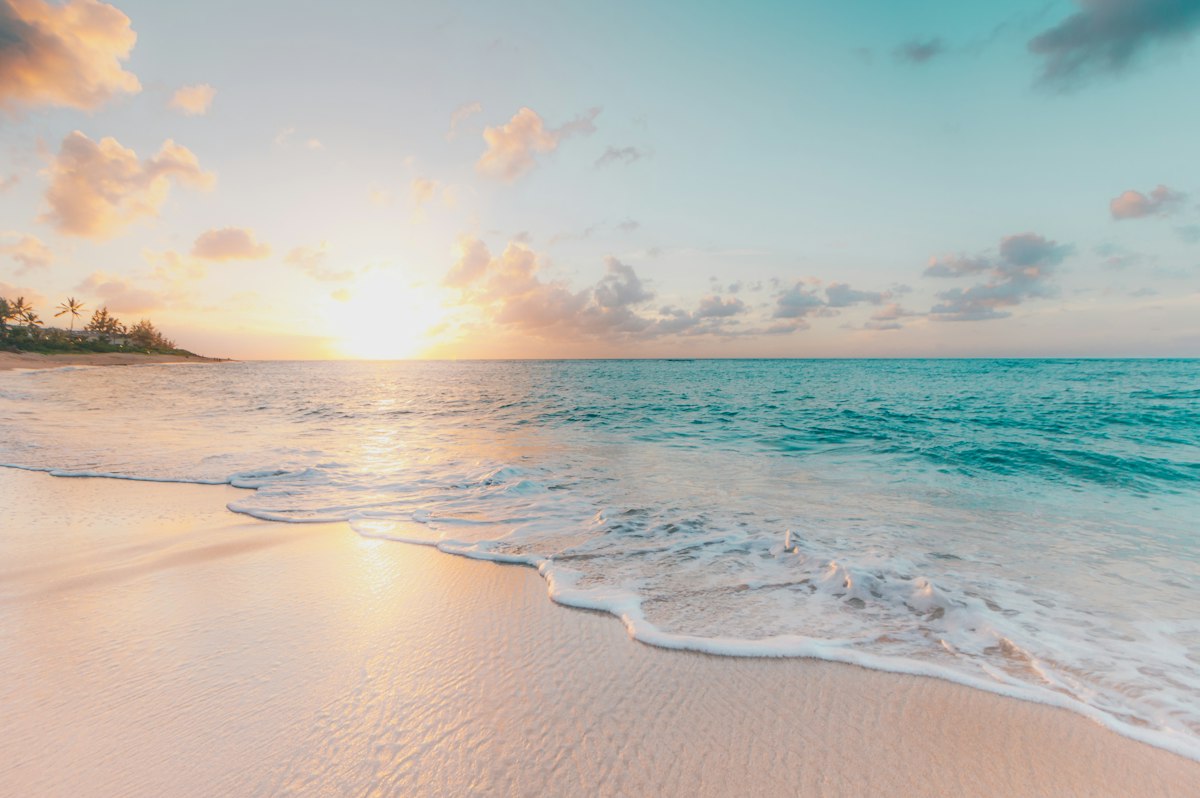
Seen from the air, Peniche resembles a clenched fist thrust into the Atlantic — a rocky peninsula connected to mainland Portugal by a narrow isthmus of sand, its sixteenth-century fortress commanding 360 degrees of open ocean. Below the ramparts, waves detonate against volcanic cliffs with a violence that has shaped both the town's defensive architecture and its contemporary identity as one of Europe's premier surf destinations. Sixty-five kilometres north of Lisbon, Peniche occupies a position in Portugal's luxury geography that is simultaneously peripheral and absolutely central: too far from the capital to be suburban, too dramatic to be provincial, and too internationally famous (thanks to the World Surf League's annual Championship Tour stop at Supertubos) to be ignored.
The Fortress Paradox
The Fortaleza de Peniche, constructed between 1557 and 1570 under the direction of military engineer Benedetto da Ravenna, was designed to repel seaborne invasion. Its Vauban-influenced star-plan fortifications — later expanded during the Restoration Wars and again during the Napoleonic period — made it one of the most formidable coastal defences in Iberia. Under Salazar's Estado Novo, the fortress served a darker purpose: as a political prison housing opponents of the regime, including the future Communist leader Álvaro Cunhal, whose legendary escape in 1960 became one of the defining narratives of Portuguese resistance.
Today, the fortress houses a museum of resistance and a rotating programme of contemporary art exhibitions — a transformation from carceral architecture to cultural infrastructure that parallels broader shifts in Peniche's identity. The paradox is compelling: a structure designed to keep people out (or in) has become the town's primary mechanism for drawing people toward it. Visitor numbers to the fortress museum increased 340% between 2019 and 2025, driven by both domestic tourism and a growing international audience attracted to Portugal's increasingly sophisticated cultural offerings.
Supertubos: The Wave That Changed Everything
The World Surf League's inclusion of Supertubos — the heavy, hollow beach break on Peniche's southern shore — in its Championship Tour in 2009 transformed the town's economic trajectory more decisively than any development plan or tourism strategy. The wave itself is extraordinary: a thick, fast-breaking barrel produced by a combination of Atlantic swell, underwater sand bars, and the peninsula's unique bathymetric profile. Professional surfers consistently rank it among Europe's three finest waves. For the local economy, the annual WSL event generates an estimated €15 million in direct and indirect revenue — but its more significant contribution has been positioning Peniche in the consciousness of an international demographic that values experiential authenticity above conventional resort amenities.
This demographic — typically aged 28-50, affluent, health-conscious, environmentally aware — represents exactly the buyer profile that Portugal's luxury market has been most successful in attracting since 2015. They are not seeking golf-course compounds or marina-front apartments. They want proximity to nature at its most dynamic, architectural character that reflects place rather than developer imagination, and communities where they can live as participants rather than spectators. Peniche delivers all three propositions with an intensity that few European coastal towns can match.
The Berlengas Archipelago
Ten kilometres offshore, the Berlengas archipelago rises from the Atlantic like a geological afterthought — three small island groups designated as a UNESCO Biosphere Reserve since 2011. The main island, Berlenga Grande, supports a seventeenth-century fortress (the Forte de São João Baptista, now a basic hostel), a lighthouse, and one of the most important seabird colonies in the eastern Atlantic. The surrounding marine reserve protects waters of exceptional clarity and biodiversity, with visibility regularly exceeding 20 metres.
For Peniche's luxury positioning, the Berlengas function as both amenity and philosophical anchor. The archipelago is accessible only by boat from Peniche harbour (a 30-minute crossing), cannot be commercially developed (UNESCO protection ensures this), and offers an experience of oceanic wilderness that is genuinely rare within one hour of a European capital. Owning property in Peniche means owning proximity to an Atlantic wilderness that no amount of money can privatise — a proposition that resonates powerfully with the experiential-luxury cohort and that no competing destination on the Portuguese coast can replicate.
The Residential Market
Peniche's residential market has undergone a transformation that local agents describe as "the Ericeira effect, five years later." Prices for renovated properties within the old town's walls have tripled since 2020, with characterful townhouses (150-250 sqm) now trading in the €400,000-800,000 range. Clifftop quintas with Atlantic frontage — the trophy segment — command €1-3 million, depending on acreage and condition. These figures represent a fraction of equivalent properties in the Algarve or Cascais, but the rate of appreciation (22% year-on-year in 2025, per Confidencial Imobiliário) suggests that Peniche's pricing gap is closing rapidly.
The most architecturally compelling developments are adaptive renovations of traditional fishermen's houses and historic warehouse buildings along the harbour front. A cohort of Portuguese and international architects — several with practices in Lisbon, drawn to Peniche by the same forces that attract buyers — have established a design vernacular that respects the town's maritime character while introducing contemporary spatial standards, energy performance, and the kind of material sophistication that distinguishes the best Portuguese residential architecture from the generic international luxury that blights less carefully managed coastal towns.
Bobbin Lace and the Economics of Intangible Heritage
Peniche is home to one of the last surviving centres of renda de bilros — bobbin lace — in Europe. The craft, practised by local women since at least the sixteenth century, produces textiles of extraordinary delicacy using techniques that cannot be mechanised: each piece requires hundreds of bobbins manipulated simultaneously over a pillow, following patterns passed down through generations. UNESCO's 2025 inclusion of Peniche bobbin lace on its Representative List of the Intangible Cultural Heritage of Humanity has added yet another layer to the town's luxury credentials — and another reason for the design-conscious buyer to consider Peniche over more conventionally positioned Portuguese coastal addresses.
The lace tradition also illustrates something fundamental about Peniche's character that mass-market destinations cannot fabricate: a living culture of manual excellence that predates tourism, surf culture, and real estate speculation by centuries. When you buy a property in Peniche, you are not buying into a lifestyle concept or a developer's vision; you are buying into a place where human hands have been producing objects of extraordinary refinement for five hundred years — and where the Atlantic, visible from every vantage point, has been crashing against the same volcanic rock for considerably longer.
Discover Portugal
Explore Portugal's most prestigious addresses and Atlantic luxury lifestyle.
← Back to Portugal Latitudes