Porto's Douro Wine Estates: The €5M Trophy Properties Reshaping Portugal's Luxury Map
March 13, 2026 · 8 min read
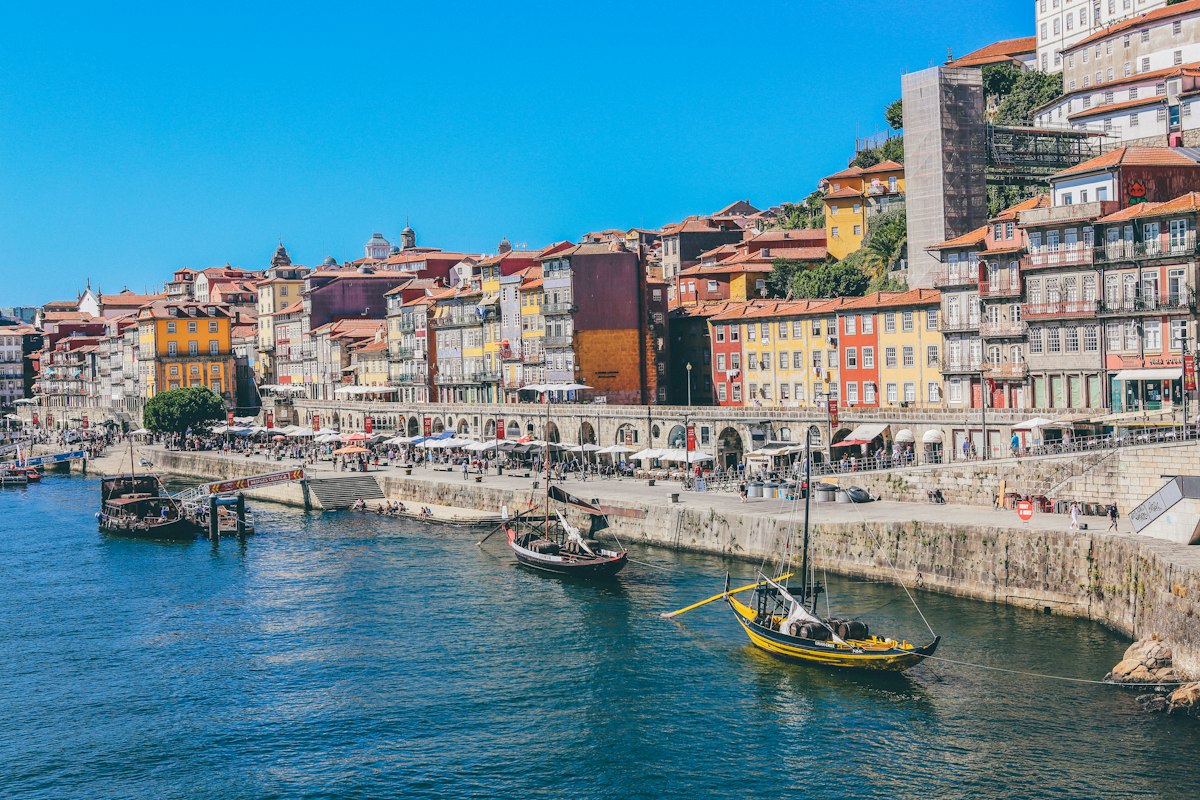
Portugal's luxury real estate story has been told through Lisbon's Chiado, Cascais's waterfront and the Algarve's cliff-top villas. But in 2026, the country's most extraordinary property market is neither coastal nor urban. It's inland, terraced, ancient and staggeringly beautiful: the Douro Valley, Portugal's UNESCO-listed wine country, where centuries-old quintas are being transformed into trophy estates that rival anything in Tuscany or Provence.
The Douro Awakening
The Douro Valley has produced port wine for over three hundred years. Its terraced hillsides, carved into schist by generations of farmers, form one of Europe's most dramatic cultural landscapes — a river valley so steep and sculptural that even Tuscany's Val d'Orcia feels gentle by comparison.
For most of that history, the quintas (wine estates) that dot the valley were working farms, owned by port houses and managed by families who measured wealth in barrels, not bedrooms. Tourism was an afterthought. Real estate speculation was unthinkable. The Douro was Portugal's quiet interior, admired by a few, ignored by the property market.
That changed around 2020, when several quintas were acquired by international investors and transformed into luxury hospitality properties. The Six Senses Douro Valley, opened in a converted 19th-century manor, demonstrated that the region could command €1,500-per-night room rates. Suddenly, the world's property scouts were driving the N222 — often called the world's most beautiful road — with new eyes.
What €5 Million Buys in the Douro
A trophy quinta in the Douro today typically includes a main house of 500-800 square metres, often 18th or 19th century, with original stone walls, carved granite lintels and azulejo-tiled interiors. The grounds range from 5 to 50 hectares, with producing vineyards, olive groves, swimming pool (often infinity-edge, overlooking the river) and staff quarters.
At the €5 million level — which represents the top of the current market — buyers get a fully restored estate with contemporary interiors behind historic facades, a functioning winery producing 5,000-15,000 bottles annually, and panoramic river views that change character with every hour of light. Some include licensed tourism operations, generating €200,000-400,000 in annual rental income.
By comparison, a equivalent wine estate in Tuscany's Chianti Classico would cost €8-15 million. In Provence's Luberon, €12-20 million. The Douro remains a value play, though the gap is closing fast.
The Buyer Profile
The typical Douro quinta buyer in 2026 is not a traditional wine collector. They're a Northern European or American entrepreneur in their late 40s to early 60s, often semi-retired, who wants a producing estate as both a lifestyle asset and a business. The appeal is specific: the Douro offers the romance of wine country with Portuguese cost structures, a favourable tax regime (the Non-Habitual Resident programme's successor still offers advantages), and a quality of life that's increasingly hard to find in overcrowded Tuscany or Provence.
French buyers — priced out of Bordeaux and Burgundy — now represent the fastest-growing segment, with transactions up 180% year-over-year. British buyers, many post-Brexit, are the second-largest group, drawn by Portugal's accessibility, safety and healthcare system.
Wine as Identity
What sets the Douro apart from pure real estate plays is the wine itself. Douro reds — not port, but the still wines that have emerged in the last two decades — are now recognised among the world's finest. Critics score them alongside Barolo and Brunello. The indigenous grape varieties — Touriga Nacional, Touriga Franca, Tinta Roriz — produce wines of extraordinary complexity, and the schist soils give them a mineral signature that's unmistakable.
For quinta buyers, this means their estate isn't just a home — it's a brand. Several new owners have hired top winemakers, invested in modern cellars behind historic facades, and launched boutique labels that sell at €50-100 per bottle. The wines serve as calling cards in business, gifts for clients and a source of genuine pride. As one buyer put it: "In London, I was a fund manager. Here, I'm a vigneron."
Porto as Gateway
The Douro's luxury market is inseparable from Porto, the city at the river's mouth. Porto has undergone its own transformation: from overlooked second city to one of Europe's most desirable urban destinations, with Michelin-starred restaurants, contemporary art galleries and a boutique hotel scene that rivals Lisbon's.
The commute from Porto to the heart of the Douro wine region is 90 minutes by car along the A4 motorway, or — for those with time and taste — three hours by the historic Douro railway line, one of Europe's most scenic train journeys. Porto's international airport connects directly to London, Paris, Frankfurt and most major European cities, making the Douro accessible in a way that was unthinkable a decade ago.
What Comes Next
The Douro is at an inflection point. Prices are rising but not yet prohibitive. Quality quintas are still available — perhaps 20-30 significant properties will trade in 2026 — but the best are disappearing into private hands and off-market deals. Portugal's government is tightening building regulations in the UNESCO zone, which will limit new development and increase the premium on existing estates.
For buyers with the vision to see it, the Douro in 2026 is what the Luberon was in 1995 or Chianti was in 1985: a landscape of extraordinary beauty, with a wine culture of global significance, still priced within reach of those willing to look beyond the obvious. That window, like all windows in luxury real estate, won't stay open long.
Published by Portugal Latitudes · Part of the Latitudes Media network
See also: Italy Latitudes · Spain Latitudes · Riviera Latitudes