Tavira: How the Eastern Algarve's Most Gracefully Preserved Town Became Portugal's Quiet Luxury Capital
March 31, 2026 · 11 min read
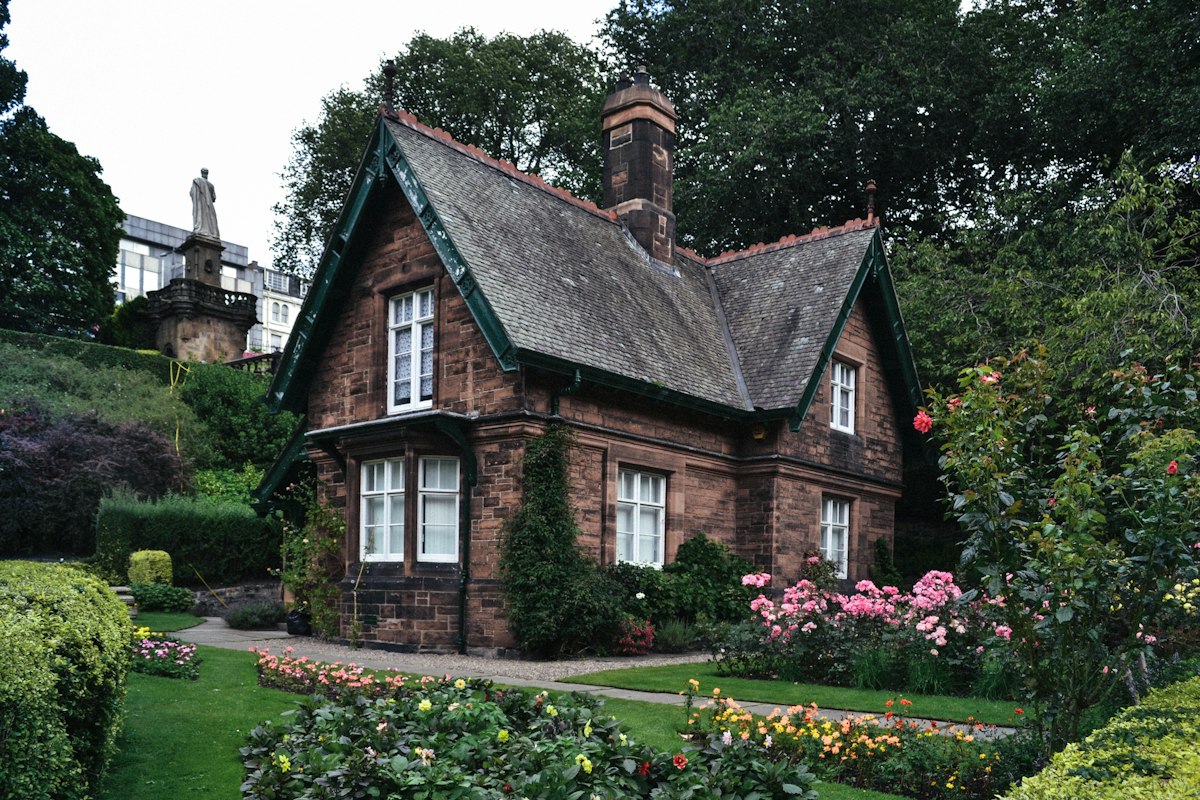
The Western Algarve has Vilamoura's superyacht marina, Lagos's cliff-carved coastline, and the Golden Triangle's concentration of five-star resorts that have made this stretch of southern Portugal one of Europe's most established luxury destinations. The Eastern Algarve has Tavira. And increasingly, for a specific class of buyer — one who values authenticity over amenity, architecture over spectacle, and genuine cultural immersion over resort-programmed experience — Tavira is enough.
The Town That Time Improved
Tavira sits where the Gilão River meets the Ria Formosa, a 60-kilometre barrier-island lagoon system that extends along the Eastern Algarve coast and is protected as a natural park. The town's historical significance — it was the Algarve's most important port during the Age of Discoveries, exporting salt, fish and wine to Northern Europe — left it with an architectural density that no planned development could replicate. Within the compact historic centre, 37 churches coexist with Moorish-influenced houses, Renaissance palaces, and a Roman bridge that still carries pedestrian traffic across the river.
The churches tell a particular story. Their quantity — extraordinary for a town of 26,000 inhabitants — reflects Tavira's 16th-century prosperity, when fishing fleets and trade routes generated wealth that expressed itself through competitive religious patronage. Each church represents a different period, style and community: the Igreja da Misericórdia with its Renaissance portal, the Igreja de Santa Maria do Castelo built over the town's main mosque after the Christian reconquest, the baroque Igreja de São Paulo with its gilded interior. Walking Tavira's streets, you pass from Romanesque to Manueline to Rococo within minutes, each transition unmarked and unticketted.
The Ria Formosa: Europe's Secret Natural Barrier
Tavira's beaches — and they are exceptional — are not on the mainland. They occupy the barrier islands of the Ria Formosa, accessible only by small boats that depart from the waterfront. Ilha de Tavira, the principal beach island, stretches approximately 11 kilometres but is nowhere more than a few hundred metres wide. The Atlantic side offers an unbroken white-sand beach with transparent water; the lagoon side provides calm, warm shallows where flamingos, spoonbills and avocets feed in the tidal flats.
This boat-only access creates a natural curation mechanism. The crossing takes ten minutes and filters out casual beachgoers, creating conditions of space and serenity that are increasingly impossible to find on mainland European beaches. Even in August, walking twenty minutes along Ilha de Tavira's Atlantic shore will deliver you to stretches of sand where you are alone with the ocean, the dunes, and the occasional sea holly blooming white against the golden sand.
The Luxury Recalibration
Tavira's property market operates on different principles than the Western Algarve's resort-driven economy. Here, luxury is measured in centuries rather than star ratings. A restored 18th-century townhouse in the historic centre — thick stone walls, original azulejo tiles, interior courtyard with citrus trees, rooftop terrace with castle views — commands between €600,000 and €1.5 million. These prices represent remarkable value for properties of genuine historical and architectural significance, particularly when compared with equivalent character properties in comparable European towns: a restored palazzo in Puglia's Ostuni starts at €1.2 million; a townhouse in Mallorca's Pollença begins at €1.5 million; a maison de village in Saint-Rémy-de-Provence rarely appears below €2 million.
The surrounding countryside — the Barrocal zone, where Algarve limestone meets the interior's rolling hills — has attracted a wave of boutique rural developments. Converted quintas (farmhouses) with pools, orchards and views across the Ria Formosa now sell between €800,000 and €3 million, depending on land area and restoration quality. Several international buyers have created small-scale hospitality projects: guesthouses with four or five rooms, organic farms with cooking classes, wine estates with tasting rooms. These ventures are too small to classify as hotels and too considered to describe as rentals — they exist in a category that Tavira is essentially inventing.
Gastronomy Without Performance
Tavira's food culture operates without the theatrical machinery that drives dining in tourist-oriented destinations. The town's restaurants serve food that reflects geography rather than aspiration: percebes (goose barnacles) harvested from the rocky coast near Cacela Velha, charcoal-grilled fish bought that morning from the municipal market, cataplana — the copper-domed seafood stew that is the Algarve's signature dish — prepared with clams, prawns and chouriço from producers within a 30-kilometre radius.
The municipal market, a renovated art-deco building on the riverfront, functions as both commercial hub and social institution. Fishmongers, butchers, cheese sellers and seasonal fruit vendors operate from tiled stalls, and the market's perimeter restaurants serve market-sourced meals at prices that would constitute a starter in Lisbon. A complete lunch — grilled sea bream, salad, rice, bread, a carafe of house wine — rarely exceeds €15. This is not frugality; it is the baseline of a food economy that has not yet been distorted by international pricing expectations.
The Quiet Capital Thesis
Tavira's emerging position as a luxury destination is not accidental, nor is it solely a function of lower prices. It reflects a broader shift in how sophisticated buyers and travellers define luxury. The traditional luxury formula — brand recognition, scale, exclusivity through price — is being supplemented (and in some demographics, replaced) by a formula built on authenticity, community integration, architectural heritage and environmental quality. Tavira scores exceptionally on all four dimensions.
The town's 37 churches are not museums; they are active parishes where services are held weekly. The Roman bridge carries real pedestrian traffic, not tourist promenades. The fishing fleet operates commercially, not decoratively. The Ria Formosa's flamingos are not imported attractions but resident species following tidal food sources. Every element of Tavira's appeal is functional, which means it is also resilient — it does not depend on curation, programming or marketing to sustain itself.
For the buyer seeking a Portuguese base that offers genuine cultural immersion, architectural beauty, environmental distinction and extraordinary value — with an international airport 35 minutes away in Faro — Tavira represents something increasingly rare in European luxury: the opportunity to participate in a town's story rather than merely observe its performance. The Eastern Algarve's quiet capital does not announce itself. It waits to be discovered by those who know what they're looking for.