Tróia Peninsula: The Private Atlantic Playground Where Lisbon's Elite Disappear
March 15, 2026 · 10 min read
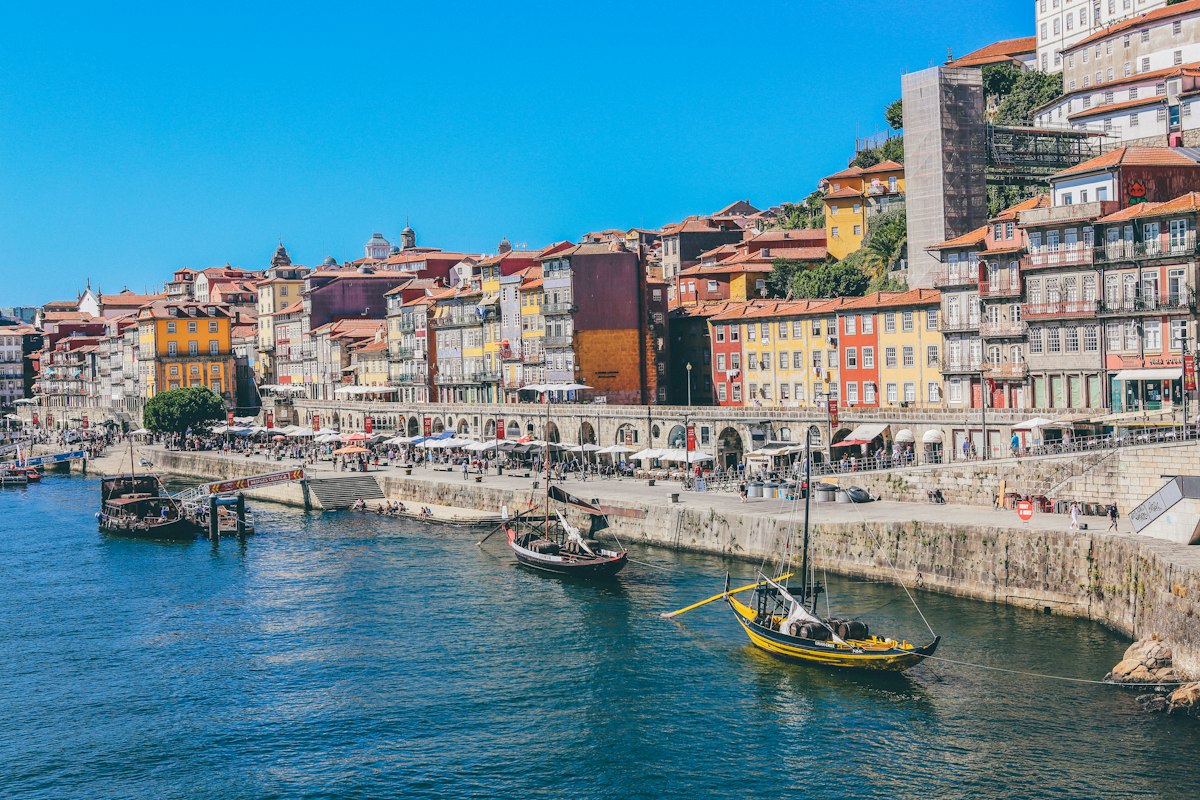
There is a place, 90 minutes south of Lisbon, that does not appear in most luxury travel guides. It has no Instagram-famous restaurants, no boutique hotels with waiting lists, no celebrity sightings generating paparazzi coverage. The Tróia Peninsula is a 25-kilometre sand spit extending into the Sado Estuary — a narrow strip of land bordered by the Atlantic on one side and the calm waters of Europe's largest dolphin sanctuary on the other. Access from Lisbon requires a car ferry from Setúbal, a crossing of exactly 20 minutes that functions as both transportation and filtration system: the ferry eliminates casual visitors, day-trippers and anyone not sufficiently committed to reach a destination that cannot be reached by highway.
The Geography of Exclusivity
Tróia's physical configuration creates natural exclusivity without gates, guards or membership fees. The peninsula is approximately 1.5 kilometres wide at its broadest point and narrows to less than 200 metres at its southern tip. The Atlantic coast — a continuous, unbroken arc of white sand backed by dunes and umbrella pines — is one of the longest beaches in Europe. On summer weekends, Lisboetas cross the ferry to claim positions on the northern beaches, but walk 20 minutes south and the sand empties. Walk an hour and you are alone with the ocean, the dunes and the occasional stone pine twisted into sculpture by Atlantic winds.
The estuary side tells a different story. The Sado Estuary is home to a resident population of approximately 30 bottlenose dolphins — the only permanent dolphin community in a Portuguese estuary. The waters are calm, warm and shallow, creating conditions for kayaking, stand-up paddleboarding and swimming that contrast dramatically with the Atlantic's powerful surf on the opposite shore. This dual-coast phenomenon — wild ocean on one side, sheltered estuary on the other — gives Tróia a versatility that single-coast locations cannot match.
Tróia Resort: The Controlled Development
The northern tip of the peninsula is home to Tróia Resort, a masterplanned development by Sonae Capital that represents Portugal's most ambitious attempt at integrated luxury hospitality. The resort comprises the Tróia Design Hotel (a Philippe Starck-influenced property with 205 rooms), an 18-hole championship golf course designed by Robert Trent Jones Jr., a casino, a marina with 182 berths, and approximately 800 residential apartments and villas arranged along the estuary and golf course.
The residential component ranges from contemporary apartments (€350,000 to €800,000) to detached villas with private pools (€1.2 million to €3.5 million). These are modest figures by international luxury standards, and they reflect both the Portuguese market's relative value and Tróia's distance from the international buyer radar. For comparison: an equivalent golf-front villa in the Algarve's Golden Triangle commands €2 million to €6 million. In Comporta, 30 kilometres north on the same coastline, architectural villas now start at €2.5 million and reach €8 million for exceptional properties.
The price differential between Tróia and Comporta is particularly instructive because it is largely a function of brand recognition rather than intrinsic quality. Comporta's emergence as "the Hamptons of Europe" was driven by editorial coverage in Vogue, the arrival of Christian Louboutin (who built a house and a hotel), and the resulting influx of fashion, design and media professionals who created a self-reinforcing cycle of cool. Tróia, which shares the same coastline, the same climate, the same proximity to Lisbon and arguably better infrastructure, has not undergone this editorial transformation — yet.
Roman Tróia: The Archaeological Dimension
Beneath the peninsula's pines and dunes lies one of the Iberian Peninsula's most significant Roman archaeological sites. Roman Tróia — known as Cetóbriga — was a major fish-salting and garum production centre from the first to the sixth century AD. The ruins, which include extensive salting tanks, a bathhouse, a basilica and residential quarters, are being excavated by the University of Lisbon and are open to visitors on a limited basis.
The archaeological significance adds a dimension to Tróia that pure resort destinations cannot claim. Walking among the Roman salting tanks at sunset — the Arrábida mountains glowing pink across the estuary, dolphins surfacing in the middle distance — creates an experience that connects contemporary leisure with two millennia of human engagement with this landscape. Several luxury developments on the peninsula have incorporated archaeological themes into their design language, using Roman proportions, materials and spatial arrangements as references for contemporary architecture.
The Arrábida Connection
Tróia's position at the mouth of the Sado Estuary places it directly opposite the Serra da Arrábida — a limestone mountain range that plunges into the sea to create the most dramatic coastline within reach of Lisbon. The Arrábida Natural Park, which protects the mountains and their Mediterranean-microclimate forests, contains hidden beaches (Praia de Galapinhos was voted Europe's best beach in 2017), world-class scuba diving on the underwater reef system, and a wine region — the Setúbal Peninsula DOC — that produces exceptional Moscatel and increasingly impressive red wines.
The synergy between Tróia and Arrábida creates a lifestyle proposition that neither location could offer alone. A Tróia resident can surf the Atlantic in the morning, lunch on fresh fish in a Setúbal harbour restaurant, hike the Arrábida mountains in the afternoon and watch dolphins from their terrace at sunset. This concentration of natural assets within a 30-minute radius — beaches, mountains, estuary, vineyards, national park — is unmatched on the Portuguese coast and rare anywhere in southern Europe.
The Investment Case
Tróia's luxury market is at an inflection point driven by three converging forces. First, the Comporta effect: as Comporta's prices escalate and available land diminishes, buyers and developers are looking south along the same coastline, and Tróia is the next significant concentration of infrastructure and developable land. Second, connectivity improvements: a new road bridge across the Sado (currently in environmental review) would eliminate the ferry requirement and reduce the Lisbon-Tróia drive time to 70 minutes, fundamentally altering the peninsula's accessibility calculus. Third, the broader Lisbon luxury market's maturation: as the Portuguese capital establishes itself alongside Barcelona, Milan and Amsterdam in the European luxury city hierarchy, its satellite coastal destinations benefit from spillover demand.
The bridge question divides opinion among Tróia's existing residents and investors. Some argue that a bridge would destroy the isolation that makes the peninsula special — the ferry as filtration system. Others counter that the ferry constraint suppresses values below their intrinsic level and that a bridge would unlock a repricing event comparable to what Comporta experienced between 2015 and 2022 (approximately 150% appreciation in premium properties). Both arguments contain truth, and the resolution — bridge or no bridge — will determine whether Tróia remains a local secret or becomes an international destination.
For the buyer who values substance over brand, and who recognises that the most profitable real estate investments are made in the gap between intrinsic quality and market perception, Tróia offers something increasingly rare: a world-class location that the world has not yet fully noticed. The dolphins know. The Romans knew. The Lisboetas who cross the ferry every weekend know. The question is how long the rest of the market takes to catch up.
Published by Portugal Latitudes · Part of the Latitudes Media network. Explore more: Spain · Riviera · Dubai