Évora: How the Alentejo's Roman Capital Became Portugal's Most Compelling Inland Luxury Address
March 2026 · 13 min read
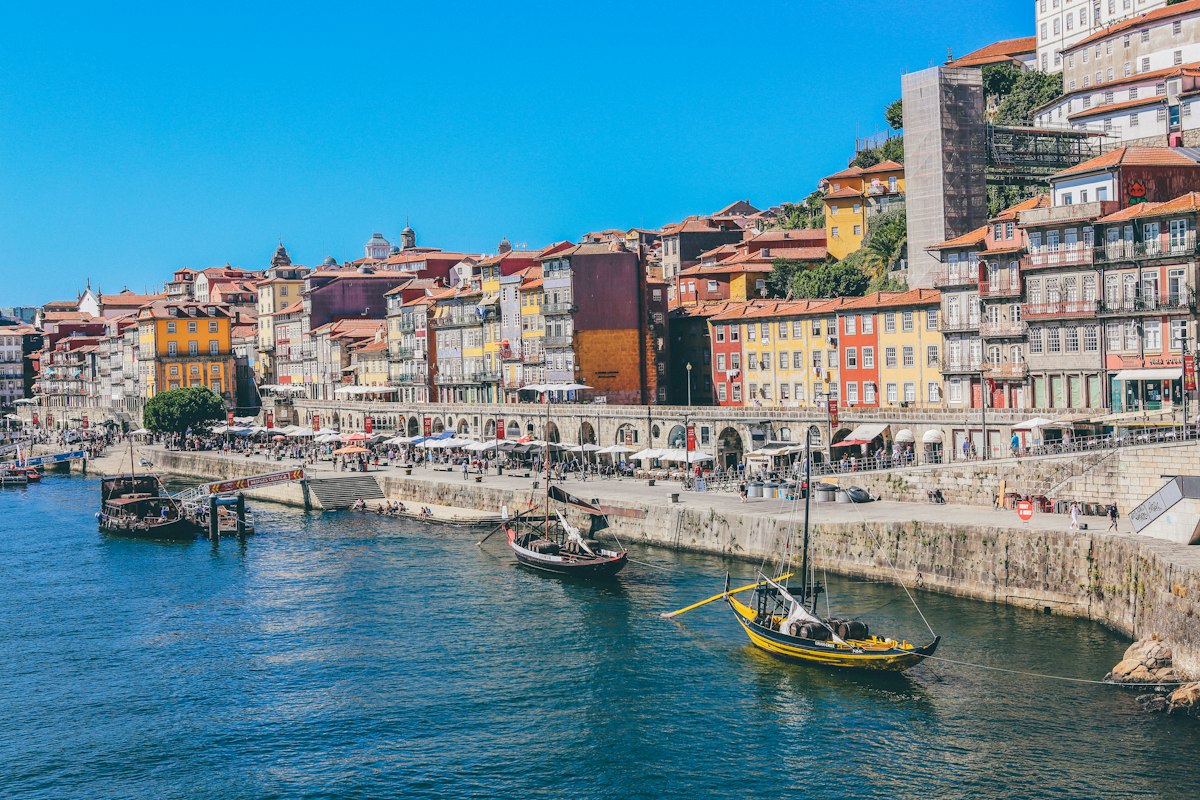
Portugal's luxury market has, over the past decade, been a coastal story. Lisbon's Chiado and Príncipe Real commanded the headlines. The Algarve's golden triangle absorbed the capital. Comporta became the barefoot-chic shorthand for understated wealth. Meanwhile, ninety minutes east of Lisbon, across the sun-bleached plains of the Alentejo, a city that Pliny the Elder described as one of the finest in Iberia has been quietly assembling the most compelling inland luxury proposition in southern Europe. That city is Évora — and the market is finally paying attention.
The Roman Foundation
The Temple of Diana — fourteen Corinthian columns standing in pale granite on a raised platform in the city's highest point — is not Évora's only Roman monument, but it is the one that establishes the city's fundamental claim. This is a place that was important when Rome was running the world. The temple, remarkably intact because it was walled up and used as a slaughterhouse for centuries (an indignity that, paradoxically, preserved it from demolition), anchors a UNESCO World Heritage Site that encompasses the entire walled city — a designation that imposes strict renovation standards while guaranteeing the architectural integrity that luxury buyers increasingly demand.
The Roman aqueduct, the Água de Prata, still enters the city through its original sixteenth-century extension, with houses and shops built into its arches along the Rua do Cano. The city walls — originally Roman, rebuilt by the Moors, fortified by the medieval Portuguese kings — define a compact urban area of extraordinary architectural density. Within these walls, every century since the first has left its mark: Moorish geometries in the street plan, Gothic churches, Manueline flourishes, Renaissance palaces, Baroque chapels, and the austere whitewashed vernacular that gives the Alentejo its visual signature.
The Herdade Economy
Surrounding Évora in every direction, the Alentejo's vast agricultural estates — herdades — represent one of Europe's last great land-banking opportunities. These properties, typically ranging from 50 to 500 hectares, combine cork-oak forests (Portugal produces over half the world's cork), olive groves, vineyards, and grazing land in landscapes of almost operatic beauty. The rolling plains, dotted with umbrella pines and lone holm oaks, produce a quality of light that has drawn painters and photographers for generations and that is now drawing a different kind of aesthetic buyer: the Northern European or American seeking a rural estate with genuine productive capacity.
The numbers remain extraordinary. A 100-hectare herdade with a restored farmhouse, cork-oak production, olive groves, and vineyard potential can be acquired for €1.5–€4 million — a fraction of what comparable agricultural estates command in Tuscany, Provence, or the Douro Valley. Cork alone generates a reliable if modest income (cork-oak trees are harvested every nine years, and the global demand for natural cork closures, driven by the premium wine market, has strengthened consistently). Olive oil production is increasingly premium. And the Alentejo's emergence as Portugal's most exciting wine region provides a viticultural dimension that adds both revenue and narrative.
The Wine Revolution
The Alentejo has, within two decades, transformed from a region of rustic cooperatives into Portugal's most dynamically evolving wine territory. Producers like Herdade do Esporão, Herdade dos Grous, and Adega da Cartuxa are making wines that compete at the highest international level — and doing so from estates that double as luxury hospitality destinations. Wine tourism in the Alentejo grew 340% between 2015 and 2025, and the trajectory shows no sign of flattening.
For the estate buyer, this wine revolution creates a dual opportunity. The agricultural land itself is appreciating as viticultural potential is recognised. And the hospitality overlay — converting part of a herdade into a boutique wine-hotel or enoteca — adds a revenue stream that the Portuguese tourism authority actively supports through generous tax incentives and licensing frameworks designed to encourage rural development.
The University City
Évora's university — founded in 1559, making it Portugal's second-oldest — gives the city an intellectual vitality that distinguishes it from purely agricultural or touristic Alentejo destinations. The student population animates the restaurants, bookshops, and cultural venues within the walls, creating a year-round social fabric that seasonal tourism alone cannot sustain. The university's architecture — a Jesuit complex of cloisters, azulejo-lined halls, and a Baroque library — is itself a significant cultural asset, and its archaeological and art history departments contribute to the scholarly infrastructure that supports the city's heritage tourism.
This combination of academic and cultural depth with rural estate access is rare in European luxury markets. Italy offers it in parts of Umbria and the Veneto. France offers it around Montpellier and Aix-en-Provence. But in neither case at Évora's price points, and in neither case with the Alentejo's particular quality of light, landscape, and unhurried living that the Portuguese call sossego — a tranquillity that is not emptiness but fullness experienced slowly.
The Gastronomy
Alentejan cuisine is Portugal's most robust and least internationally known gastronomic tradition. It is a cuisine of scarcity transformed into abundance: bread-based dishes like açorda and migas that elevate stale bread into something extraordinary; black pork from acorn-fed Iberian pigs raised on the cork-oak montados; sheep's cheese aged in caves; wild herbs gathered from the plains. The Michelin guide has begun to notice, with restaurants like Degust'AR in Évora earning recognition for contemporary interpretations of traditional Alentejan ingredients.
The wine-and-food pairing tourism circuit that is developing around Évora — linking estate tastings, artisan producers, and restaurant dinners into multi-day itineraries — provides a model for the kind of experiential luxury that the post-pandemic market has decisively embraced. This is not luxury as display; it is luxury as engagement with a living culture.
The Investment Thesis
Évora's current market represents a classic pre-discovery phase. The UNESCO designation, the Roman heritage, the university culture, the wine revolution, the herdade economy, and the extraordinary light and landscape are all objectively present — but the pricing has not yet absorbed these fundamentals. City-centre properties within the walls trade at €2,000–€4,000/m², roughly one-third of Lisbon and one-fifth of the Algarve's premium. Rural estates remain available at prices that, by western European standards, border on the anomalous.
The catalysts for repricing are identifiable: the new Lisbon-Évora high-speed rail link (reducing the journey to under 45 minutes, expected 2028), the expanding international flight routes into Lisbon and Faro, and the growing international media attention to the Alentejo as a lifestyle destination. For buyers who understand that the best time to invest in a luxury market is before the luxury market knows it exists, Évora is Portugal's most eloquent proposition.
Portugal Latitudes — Your guide to exceptional Portuguese living. Request private access →